Source Screw Pressing Fruit Pulper Machine for Mango, Tomato, Apple
Compare 30 screw pressing fruit pulper machines from verified suppliers. These units process mango, tomato, and apple into juice with capacities up to 500kg/h and feature automatic control modes.
Key considerations
Products List


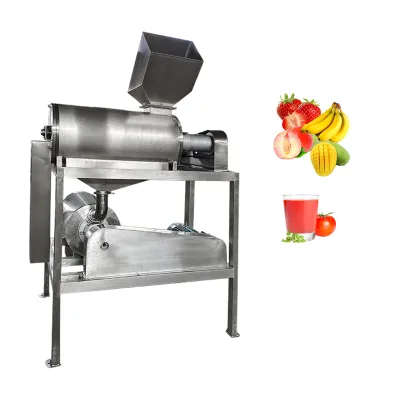
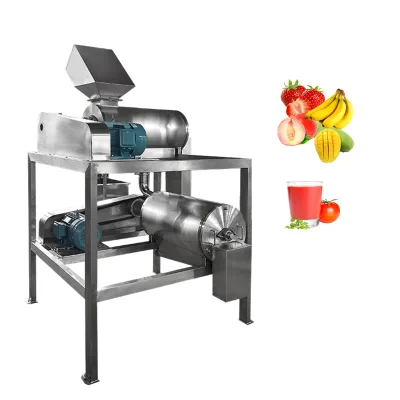
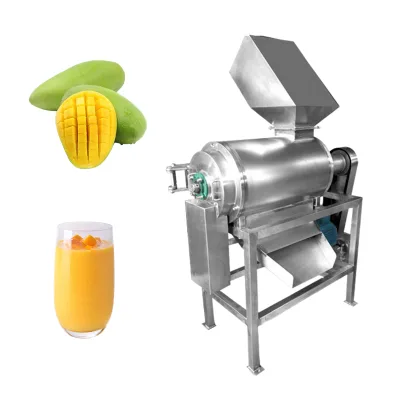
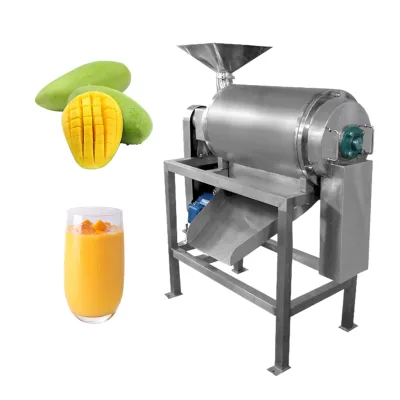


Comprehensive Sourcing Guide
Strategic Sourcing Guide for Screw Pressing Fruit Pulper Machines
Understanding Core Technical Specifications and Operational Parameters
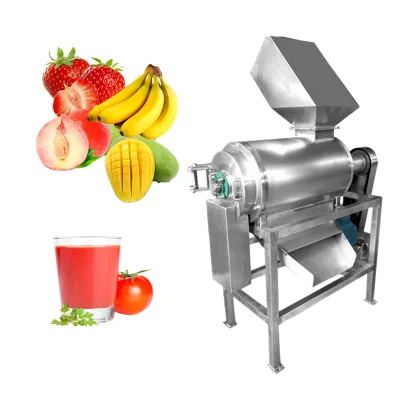
When sourcing a screw pressing fruit pulper machine, the primary objective is to align the equipment's mechanical capabilities with the specific throughput and material requirements of your processing line. Based on the observed market data, these machines are engineered with a high degree of customization, allowing buyers to tailor specifications to unique production needs. A critical observation from current listings is the variability in voltage requirements. Buyers must verify whether the unit operates on 380V, 220V, or a dual-voltage configuration of 220V/380V to ensure compatibility with existing facility infrastructure. The power consumption for standard models is frequently observed around 1.5KW, though this figure can fluctuate based on the motor configuration and the specific application intensity.
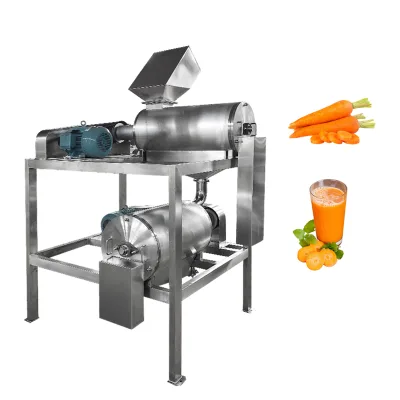
The physical dimensions of the machinery are equally vital for facility planning. Observed standard configurations include models with dimensions such as 12004501450 mm or 1000830948 mm, while others are listed as customizable to fit specific plant layouts. The mesh diameter is a key specification for filtration efficiency, with specific models featuring an 180mm diameter. Capacity ranges are broad, spanning from 500kg/H to 0.12-7t/H, indicating that these machines serve both small-scale pilot operations and large industrial fruit processing plants. The motor setup often involves two distinct units, typically designated for the feeder and scraper functions, ensuring a robust and continuous processing flow. The control mode is predominantly automatic, which reduces labor dependency and enhances operational consistency.
Material Construction and Hygiene Standards
The integrity of the fruit pulping process relies heavily on the materials used in construction, particularly regarding food safety and corrosion resistance. The supplied data consistently highlights the use of stainless steel as the primary material. Specific grades mentioned include 304 Stainless Steel and "Food Grade Stainless Steel," which are industry standards for equipment handling edible products. The use of these materials ensures that the machine does not contaminate the fruit pulp or juice with harmful substances during the extraction process.
The construction quality is further evidenced by the presence of core components such as pressure vessels, which are essential for maintaining the necessary pressure during the screw pressing mechanism. The machine's application fields explicitly include fruit processing plants, vegetable processing plants, and beverage factories, all of which demand strict adherence to hygiene protocols. The washing mode is another critical feature, with many units offering self-cleaning and dismantle cleaning capabilities. This feature is indispensable for maintaining sanitation standards, preventing cross-contamination between batches, and reducing the downtime associated with deep cleaning procedures. Buyers should verify that all food-contact surfaces are constructed from the specified stainless steel grades to meet local food safety regulations.
Compliance, Certification, and Documentation Verification
Navigating the compliance landscape is a fundamental step in the procurement of industrial food machinery. While the provided data lists specific certifications such as CE, it is crucial for buyers to understand that certification status can vary by supplier and specific model. The CE mark indicates conformity with health, safety, and environmental protection standards for products sold within the European Economic Area. However, buyers must not assume that all listed products automatically possess this certification without direct verification from the supplier.
Beyond specific marks, the documentation provided by the manufacturer serves as a proxy for quality assurance. The availability of machinery test reports is a significant positive indicator, suggesting that the equipment has undergone performance validation before shipment. These reports should be reviewed to confirm that the machine meets the claimed output specifications and safety standards. Additionally, the warranty period is a standard contractual element, with a 1-year warranty being a common offering in the current market. This warranty typically covers core components and motor failures, providing a safety net for the buyer during the initial operational phase. Buyers should also inquire about the availability of machinery test reports for their specific order to ensure that the unit they receive matches the performance data provided in the marketing materials.
Cost Drivers and Pricing Structure Analysis
The pricing for screw pressing fruit pulper machines exhibits a wide range, observed between 789 USD and 737,000 USD. This vast disparity is not indicative of price volatility but rather reflects the significant differences in machine capacity, material grade, customization level, and included features. The Minimum Order Quantity (MOQ) for these machines is consistently observed as 1 set, which facilitates entry for small to medium-sized enterprises without requiring bulk purchasing commitments.
Several factors drive the final cost of the equipment. First, the customization level is a primary cost driver. Models with "Customized" attributes or those designed to specific customer requirements often command higher prices due to the engineering and manufacturing effort involved. Second, the material specification plays a role; while 304 Stainless Steel is standard, higher grades or specialized coatings can increase costs. Third, the capacity and power output directly influence the price. A machine capable of 7t/H will inherently cost more than a 500kg/H unit due to the larger motors, heavier structural components, and more complex internal mechanisms. Finally, the packaging method, whether a standard wooden box, wooden carton, or export wooden case, can add to the overall cost, particularly for international shipments requiring fumigation-free certification.
Typical Applications and Process Versatility
Screw pressing fruit pulper machines are designed for versatility, handling a diverse array of raw materials. The observed application data lists specific fruits such as mango, tomato, apple, orange, pineapple, lemon, and carrot. The machines are also noted for their suitability for stone fruits and berry fruits, indicating a broad range of processing capabilities. The primary function of these units is pulping and juicing, with the output product name typically listed as "juice" or "fruit pulp."
The operational mode of these machines allows for the processing of various fruit types, from soft fruits like berries to harder stone fruits. The automatic control mode ensures that the machine can adapt to different fruit textures without constant manual intervention. The washing mode, which includes self-cleaning and dismantle cleaning, is particularly beneficial for facilities processing multiple fruit types, as it minimizes the risk of flavor transfer and ensures that the equipment remains sanitary. The application fields extend beyond simple fruit processing to include vegetable processing and beverage factories, highlighting the machine's adaptability to different production lines. Buyers should ensure that the selected model is compatible with the specific physical properties of their raw materials, such as fiber content and seed hardness, to maximize extraction efficiency.
Supplier Evaluation and Quality Control Protocols
Evaluating a supplier for screw pressing fruit pulper machines requires a rigorous approach to verifying their capabilities and reliability. The place of origin for the majority of these machines is China, specifically regions like Henan, which is known for its manufacturing base. However, the origin alone does not guarantee quality. Buyers must scrutinize the supplier's ability to provide the promised documentation, including machinery test reports and certification proofs. The presence of a "Fumigation Free Wooden Case" for packaging is a specific requirement for international shipping and indicates a supplier's attention to phytosanitary regulations.
Quality control should be integrated into the procurement process. Buyers should request detailed specifications for the core components, such as the pressure vessel and motor, to ensure they meet the required durability standards. The warranty terms, typically 1 year, should be clearly defined in the contract, outlining what is covered and the process for claims. Furthermore, the customization capability of the supplier is a key differentiator. A supplier that offers "Customized" options and accepts "Customerization Acceptable" standards demonstrates flexibility and a commitment to meeting specific buyer needs. Buyers should also verify the packing specifications, ensuring that the wooden box or export wooden case is robust enough to protect the machinery during transit.
Long-Term Procurement and Operational Considerations
Sourcing a screw pressing fruit pulper machine is not merely a transactional event but a long-term investment in production capacity. The customization available in these machines allows for future scalability and adaptation to changing market demands. The ability to customize the standard dimensions and capacity ensures that the machine can grow with the business. The automatic control mode reduces the long-term labor costs and minimizes human error, contributing to consistent product quality over time.
Maintenance is another critical consideration. The self-cleaning and dismantle cleaning features are designed to simplify maintenance routines, reducing the time and cost associated with keeping the machine in optimal working condition. The availability of spare parts and the clarity of the warranty terms are essential for long-term operational stability. Buyers should also consider the energy efficiency of the machine, as the power consumption (e.g., 1.5KW) will impact ongoing operational costs. Finally, the compatibility of the machine with existing facility infrastructure, such as voltage and space requirements, must be confirmed to avoid costly retrofits. By focusing on these long-term factors, buyers can ensure that their investment in a screw pressing fruit pulper machine delivers sustained value and operational efficiency.
Comparative Analysis of Key Machine Attributes
To assist in the decision-making process, the following table summarizes the key attributes observed in the market for screw pressing fruit pulper machines. This comparison highlights the variability in specifications and helps buyers identify the features most relevant to their specific needs.
| Attribute Category | Observed Specifications / Options | Procurement Verification Point |
|---|---|---|
| Voltage | 380V, 220V, 220V/380V | Confirm compatibility with local grid standards. |
| Material | Stainless Steel, 304 Stainless Steel, Food Grade | Verify food-grade certification for all contact surfaces. |
| Capacity | 500kg/H to 0.12-7t/H | Match capacity to peak production requirements. |
| Dimensions | 12004501450 mm, 1000830948 mm, Custom | Ensure fit within designated plant floor space. |
| Control Mode | Automatic | Assess integration with existing automation systems. |
| Packing | Wood Box, Wooden Carton, Export Wooden Case | Check for fumigation-free requirements for export. |
| Warranty | 1 Year | Review terms for coverage of core components. |
| Certification | CE (observed), others to verify | Request valid certificates for the specific model. |
| Test Reports | Provided (Machinery Test Report) | Review reports for performance validation. |
| MOQ | 1 Set | Confirm no minimum order barriers for small buyers. |
This table serves as a checklist for buyers to ensure that all critical parameters are addressed during the sourcing process. By systematically verifying these attributes, buyers can mitigate risks and select a machine that aligns with their operational goals and quality standards.
FAQs
What voltage options are available for screw pressing fruit pulper machines?
These machines typically operate on 380V, 220V, or a dual-voltage configuration of 220V/380V. Buyers must verify the specific voltage requirement to ensure compatibility with their facility infrastructure before purchase.
Which material grades are used for food contact surfaces?
The primary construction material is stainless steel, specifically 304 Stainless Steel or Food Grade Stainless Steel. These grades ensure corrosion resistance and prevent contamination during the fruit pulping and juicing process.
Can the machine capacity be customized for specific production needs?
Yes, capacity is fully customizable and ranges from 500kg/H to 0.12-7t/H depending on the model. This flexibility allows the equipment to serve both small-scale pilot operations and large industrial processing plants.
What is the standard minimum order quantity for these machines?
The minimum order quantity is consistently one set for most models listed in the market. This low threshold facilitates entry for small to medium-sized enterprises without requiring bulk purchasing commitments.
How are these machines typically packaged for international shipping?
Machines are packaged in wooden boxes, wooden cartons, or export wooden cases. Some suppliers provide fumigation-free wooden cases to meet specific international phytosanitary regulations for safe transit.
What warranty coverage is standard for the core components?
A one-year warranty is commonly offered for the machinery, covering core components and motor failures. Buyers should verify the specific terms regarding pressure vessels and other critical parts in the contract.